Despite being the smallest national park we visited on our Tanzania safari, Lake Manyara National Park was an excellent introduction to the safari experience. Located in the Great Rift Valley, the park is 330 sq km (127 sq miles) of which 200 sq km (77 sq miles) is the lake itself (lake size varies by the season). It is located about 125 km (77 miles) west of Arusha, a 1.5 hr drive. The park is home to a number of different animal and bird species and is known as the home of tree climbing lions (although we were told they are rare to see). After spending a day game driving there we were amazed at all the animals we had already come across!
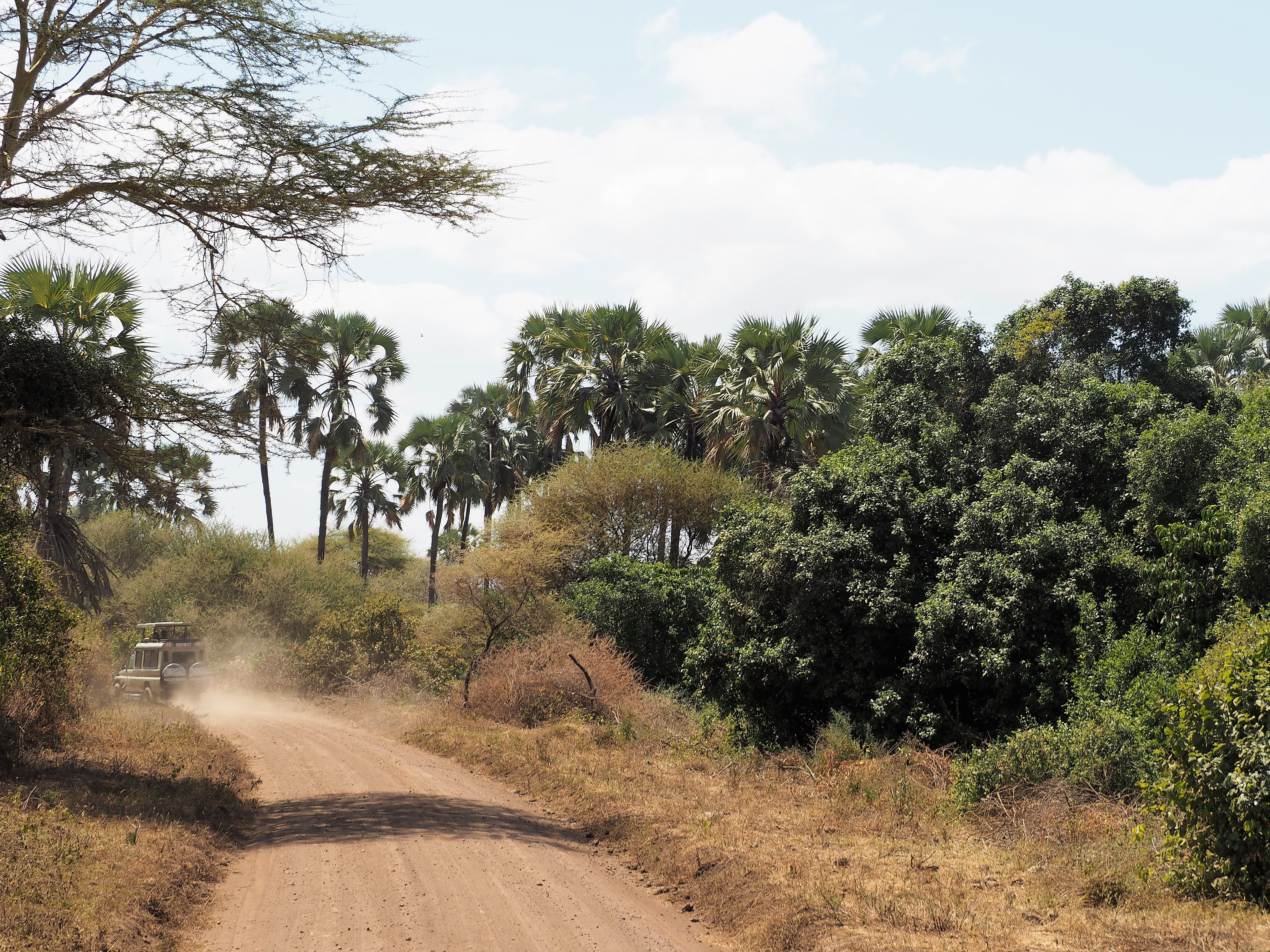
Game drive through the park
We quickly learned that various types of monkeys were going to be a very common sight on this trip – baboons, blue monkeys, and vervet monkeys can be spotted all over the park.
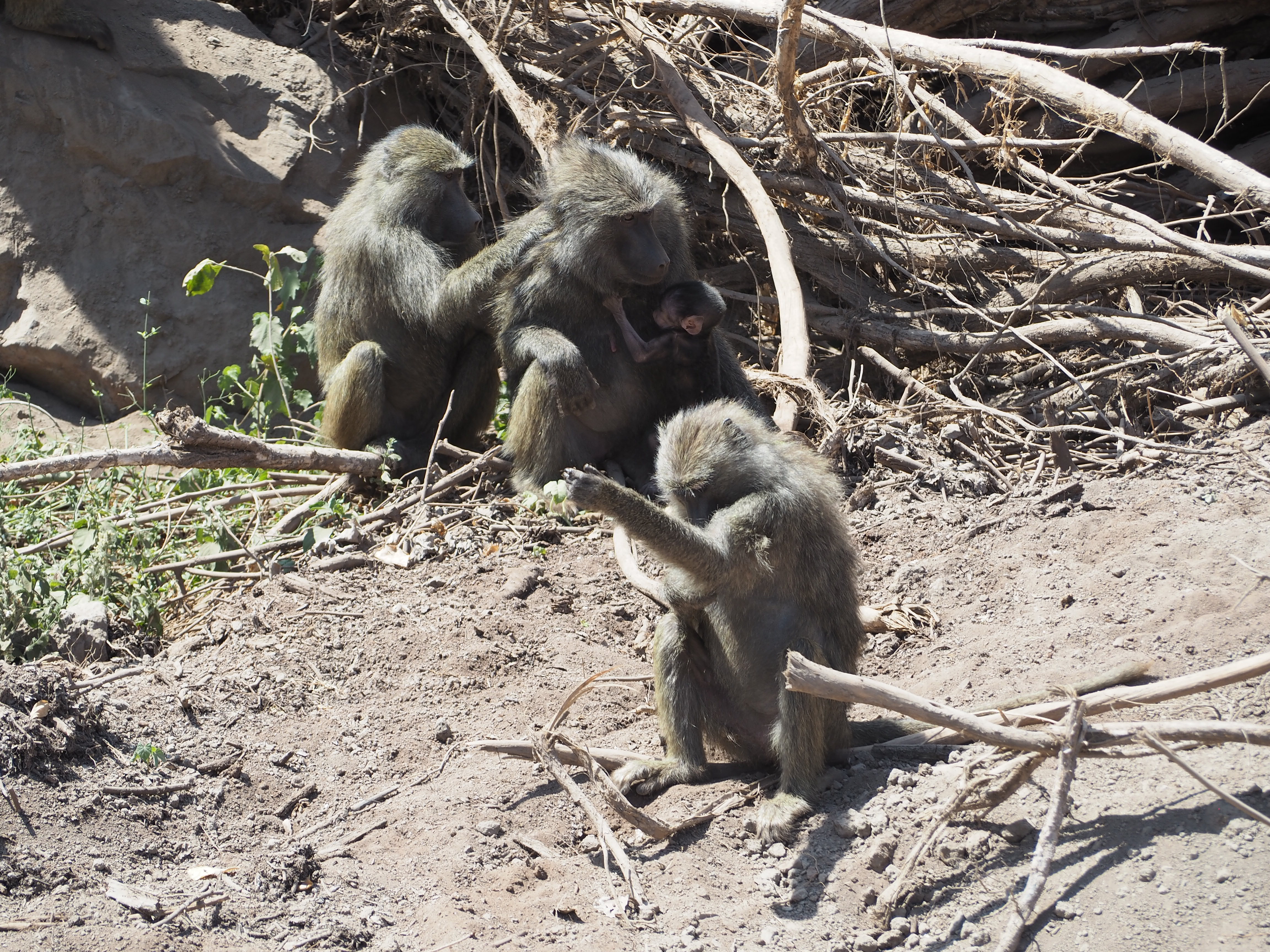
Baboons 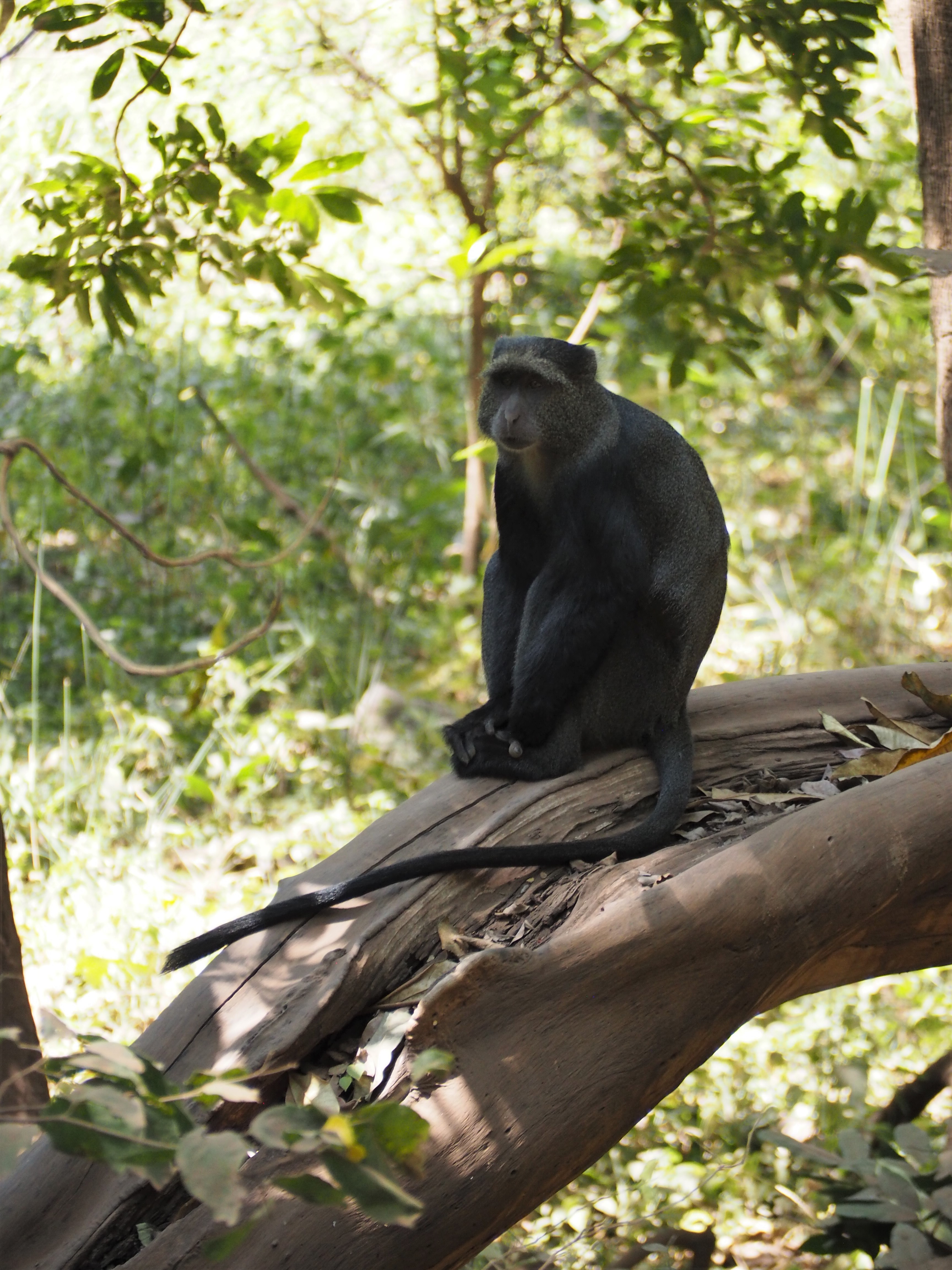
Blue monkey
Shortly after entering the park we got our first big animal sighting – a group of grazing elephants, including two younger ones.
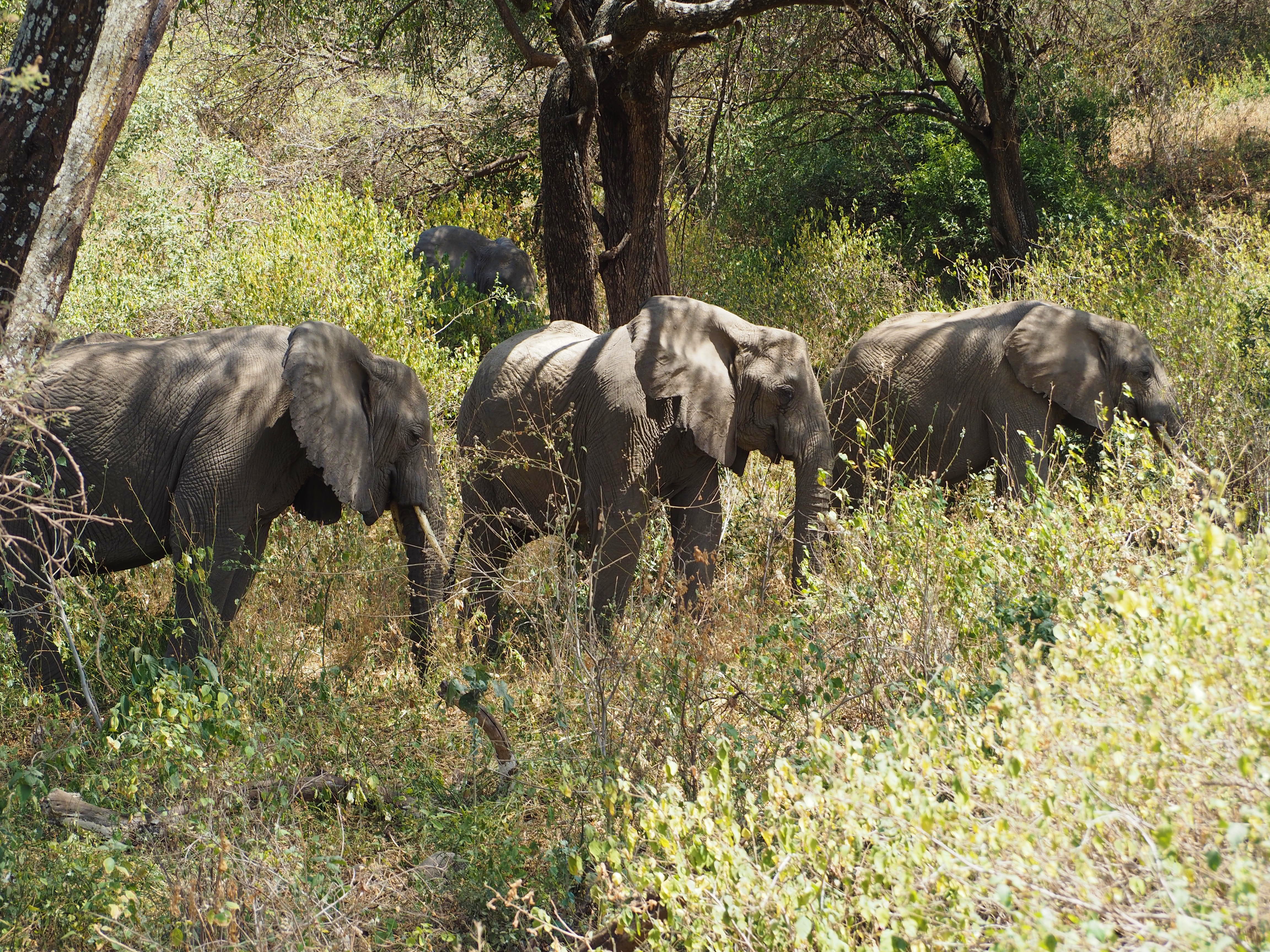
Small herd of elephants
Many of the animals congregate around the lake and rivers, making the dry season the best time to visit the park – when the places to see them are more predictable. We saw several wildebeest, cape buffalo, hippos, impala, zebra, warthogs, giraffes, agama lizards, and more.
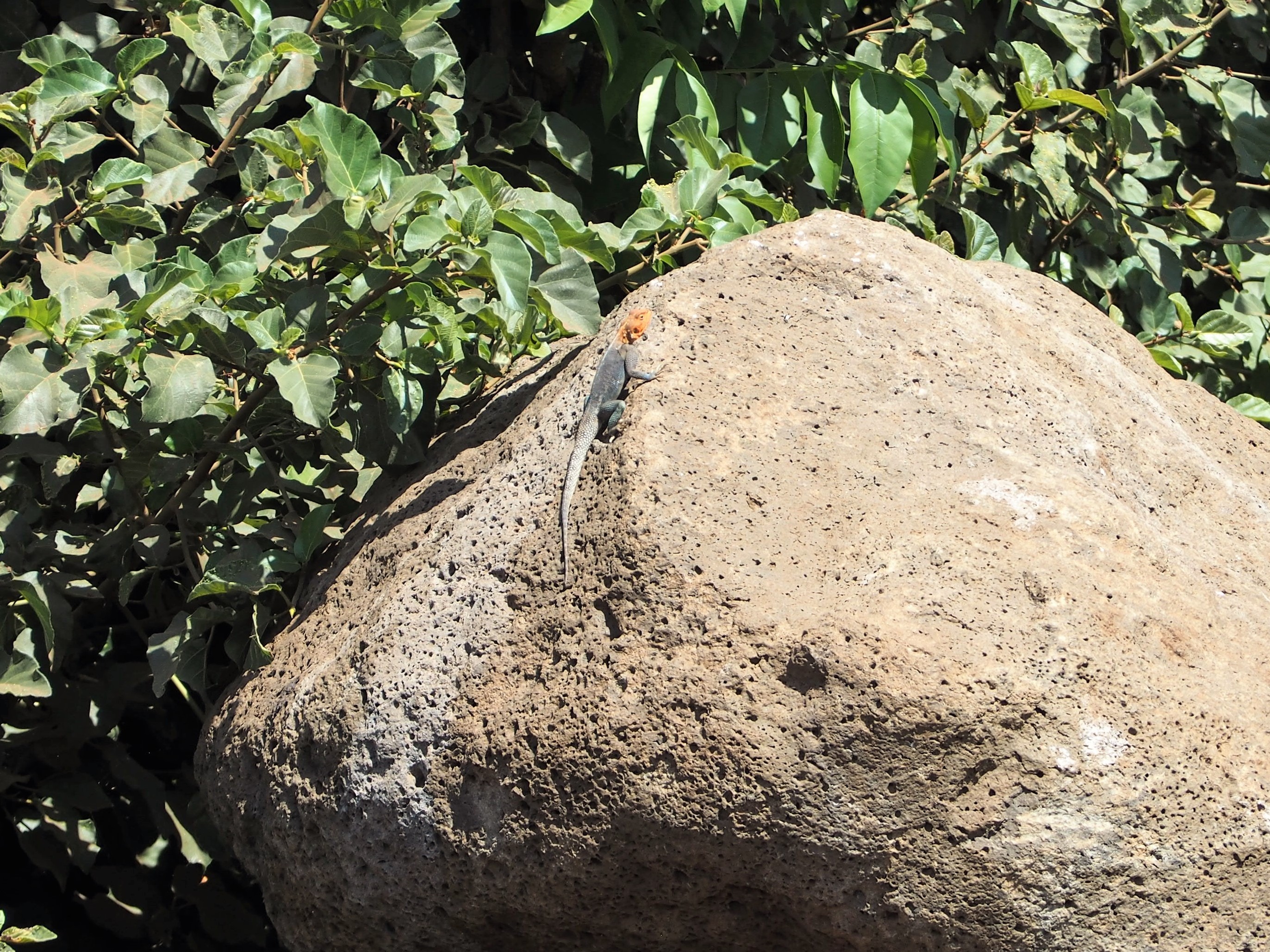
Agama lizard basking in the sun 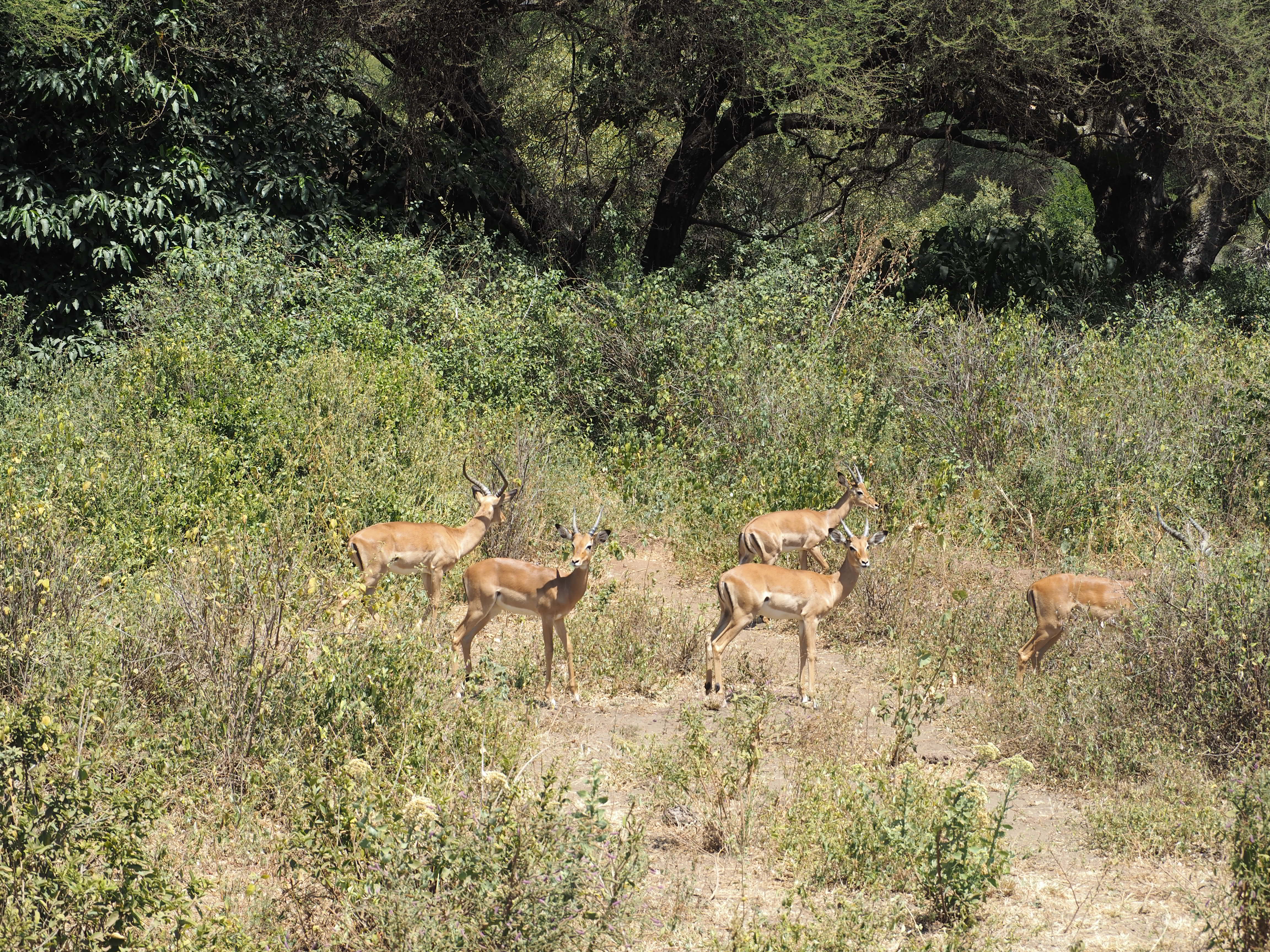
Group of impala 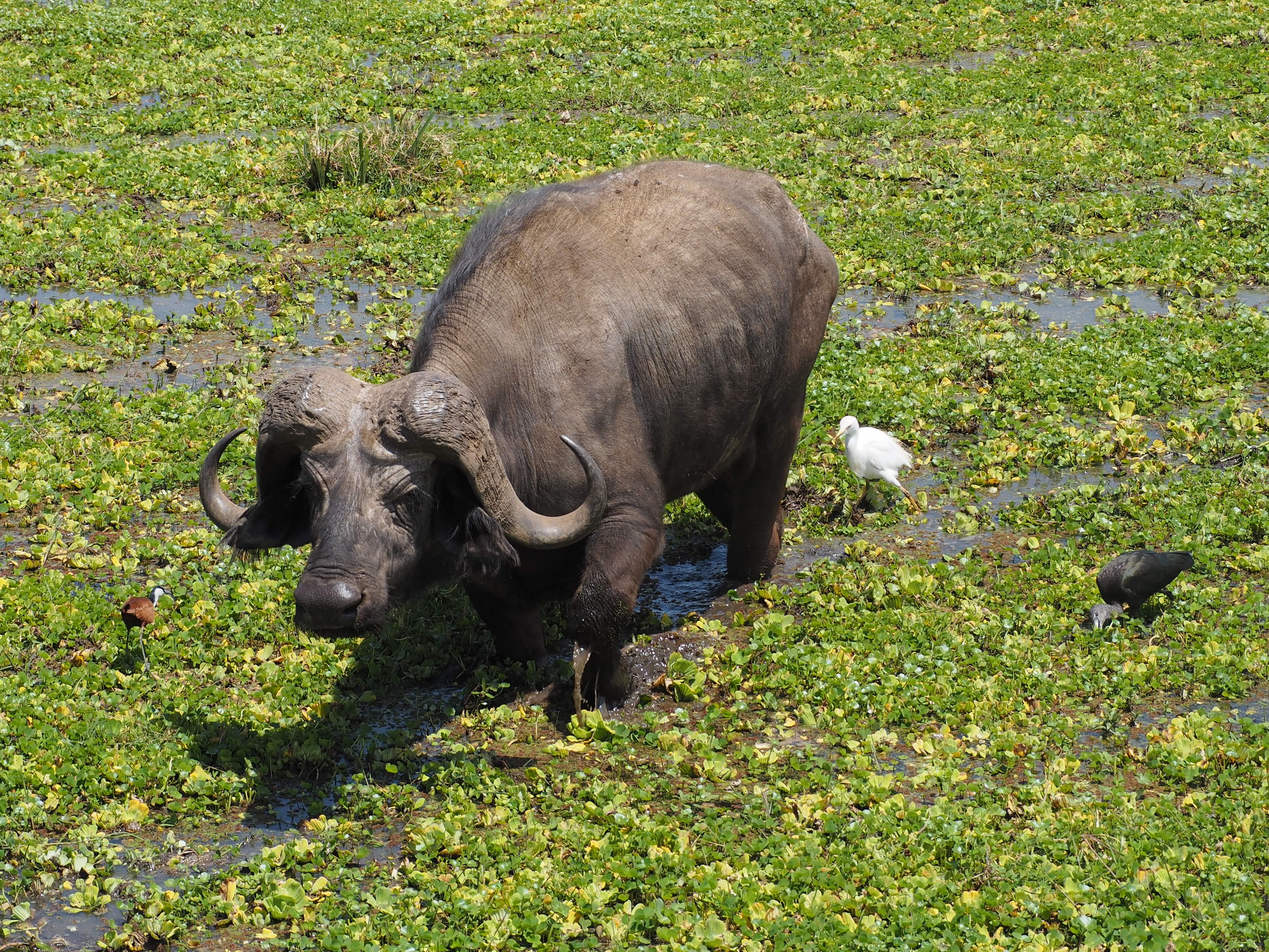
Cape buffalo with bird friends
We saw many animals congregated near Lake Manyara itself. Flamingos were visible at the water, the pink was hard to miss, but were quite far away. Lake Manyara shrinks during the dry season, often making it difficult to get very close to its shores.
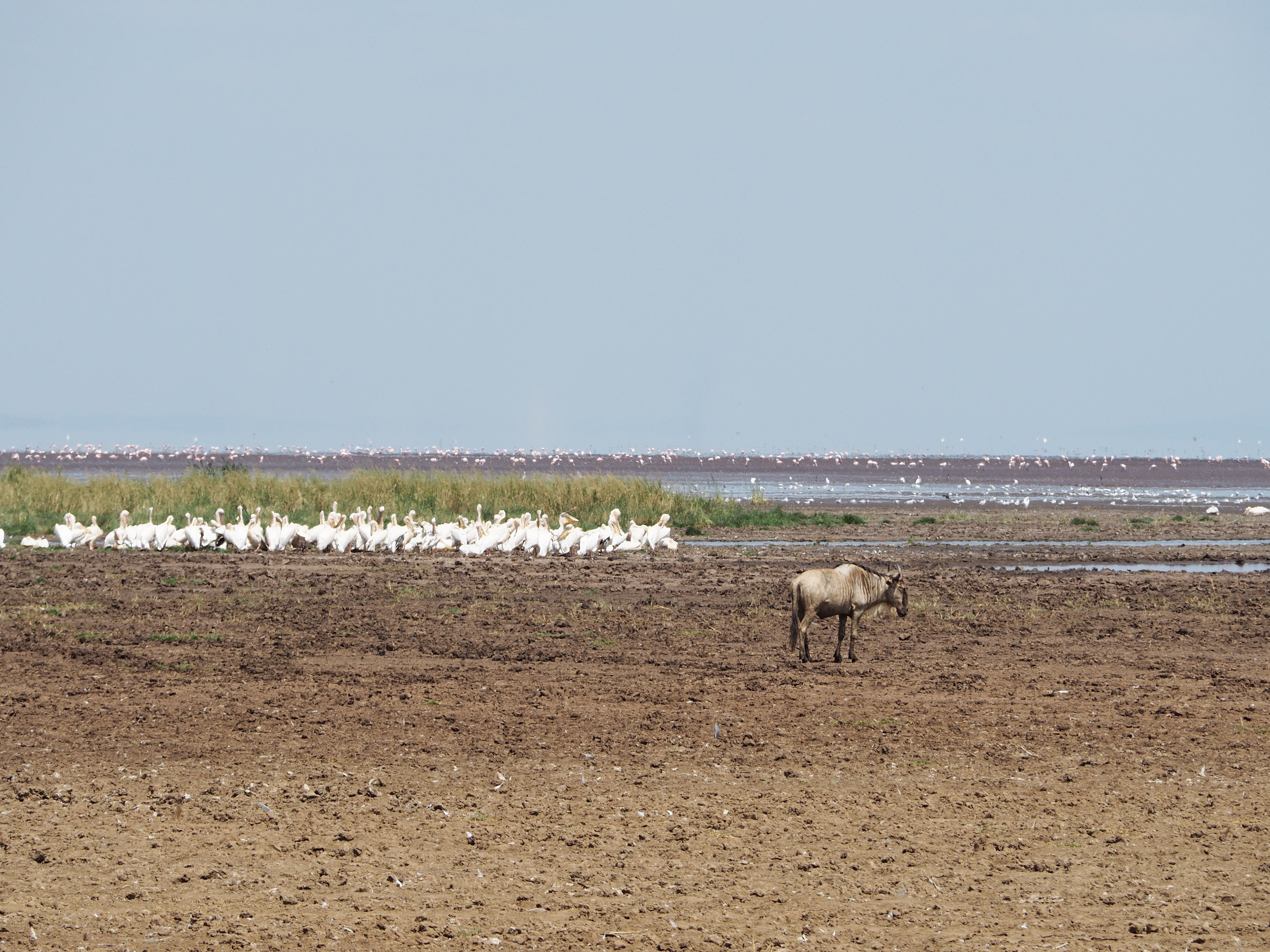
Flamingos on the shores of Lake Manyara
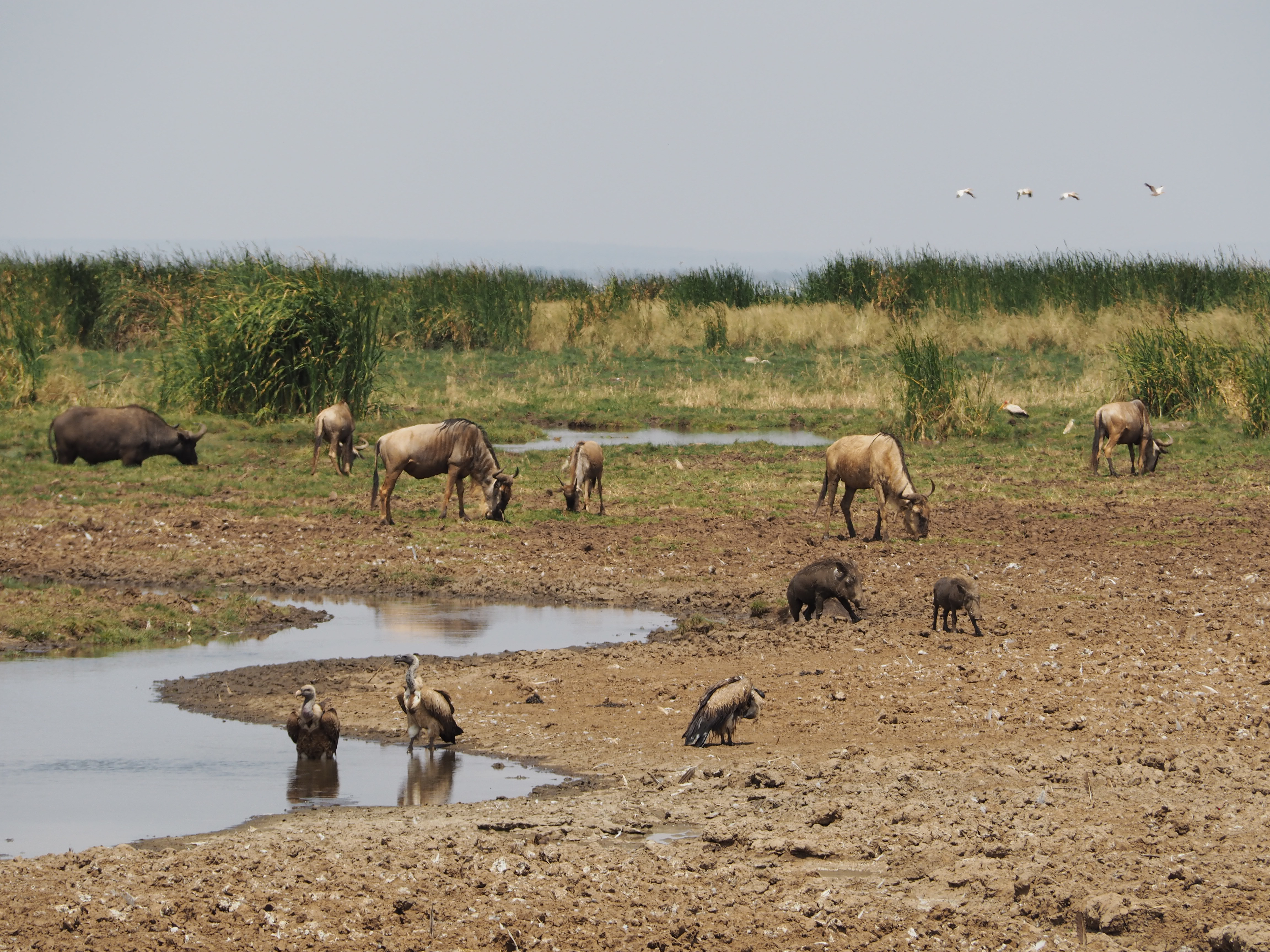
Wildebeest, warthogs, cape buffalo, vultures
There were upwards of 25 hippos visible in the hippo pool area – and when I say visible I mean that their backs and heads were peeking out over the water line. Hippos spend their days cooling off and resting in water and are more active at night. They were quite fun to watch and listen to, as they rolled around in the water and pushed each other around.
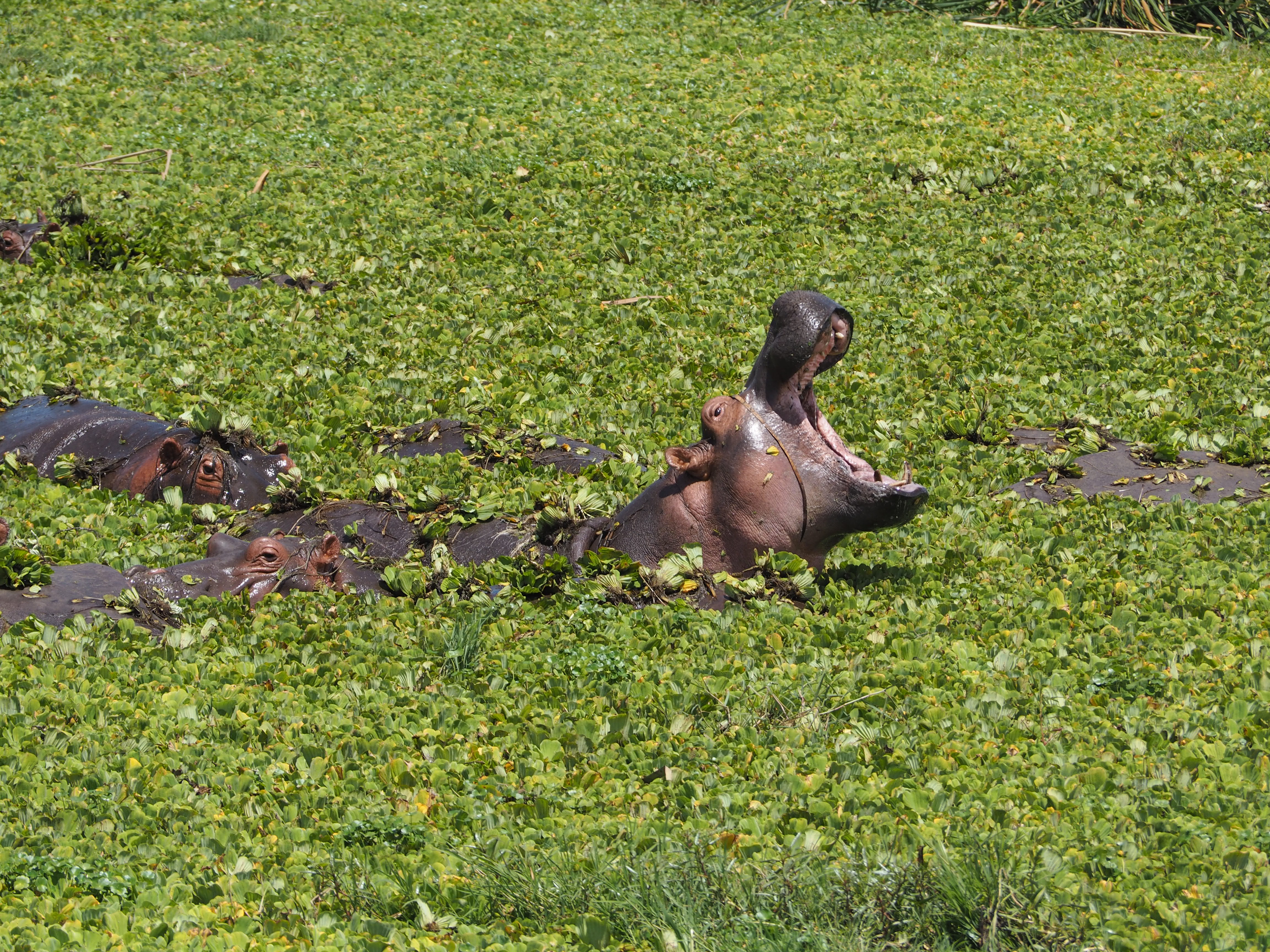
Yawning hippo
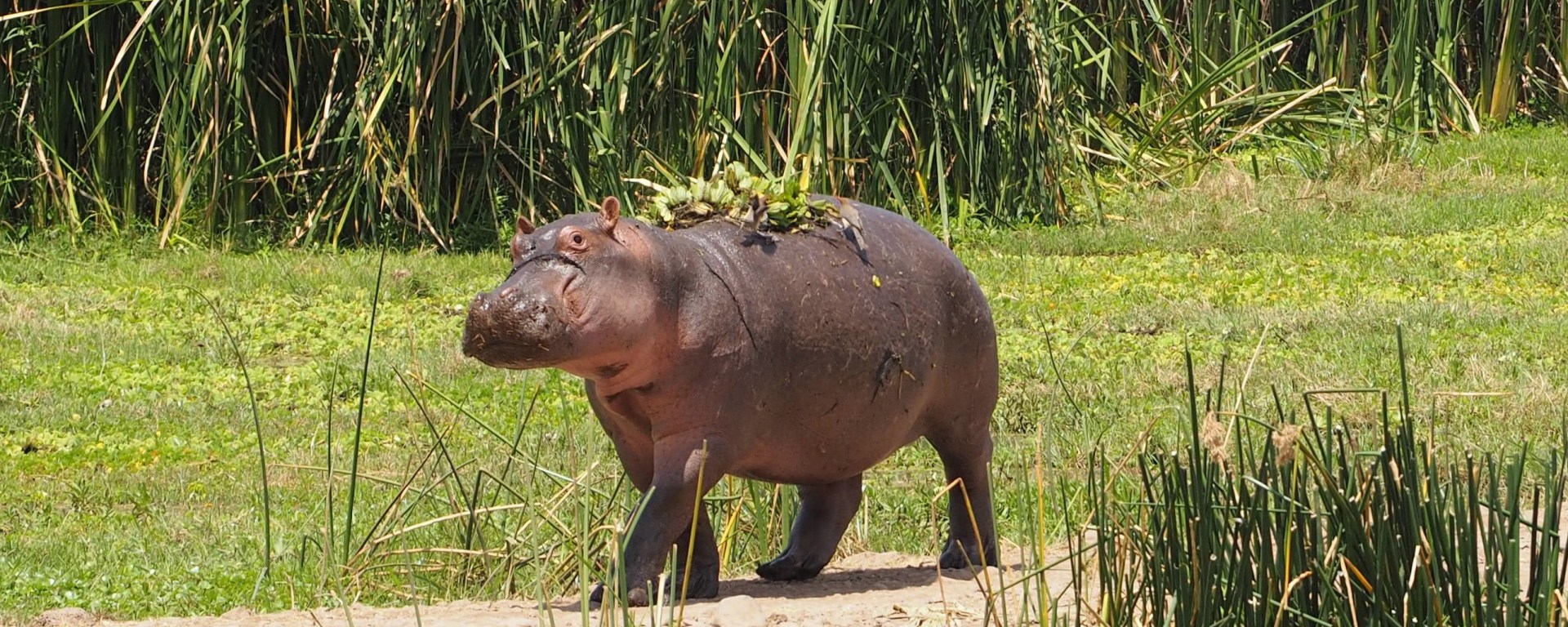
One hippo even got out of the water and walked across the road in front of us to the water pool on the other side of the road. We felt very lucky as it isn’t common to see hippos out of the water during the warmer parts of the day!
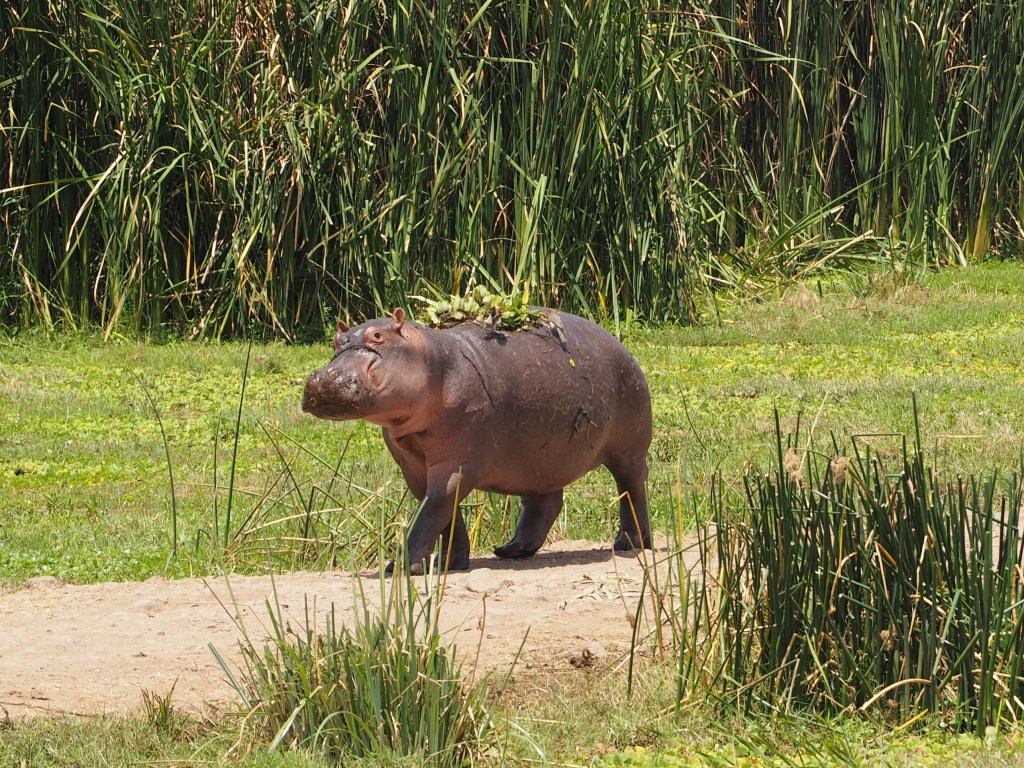
Happy hippo crossing the road
The park was a paradise for bird watching. We saw 3 different types of kingfishers (grey-headed, malachite, and striped), silvery-cheeked hornbill, little bee-eaters, African fish eagle, storks, pelicans, Egyptian geese, vultures, and many more. Yuda, our guide for the excursion, had an amazing eye for spotting the tiniest of birds.
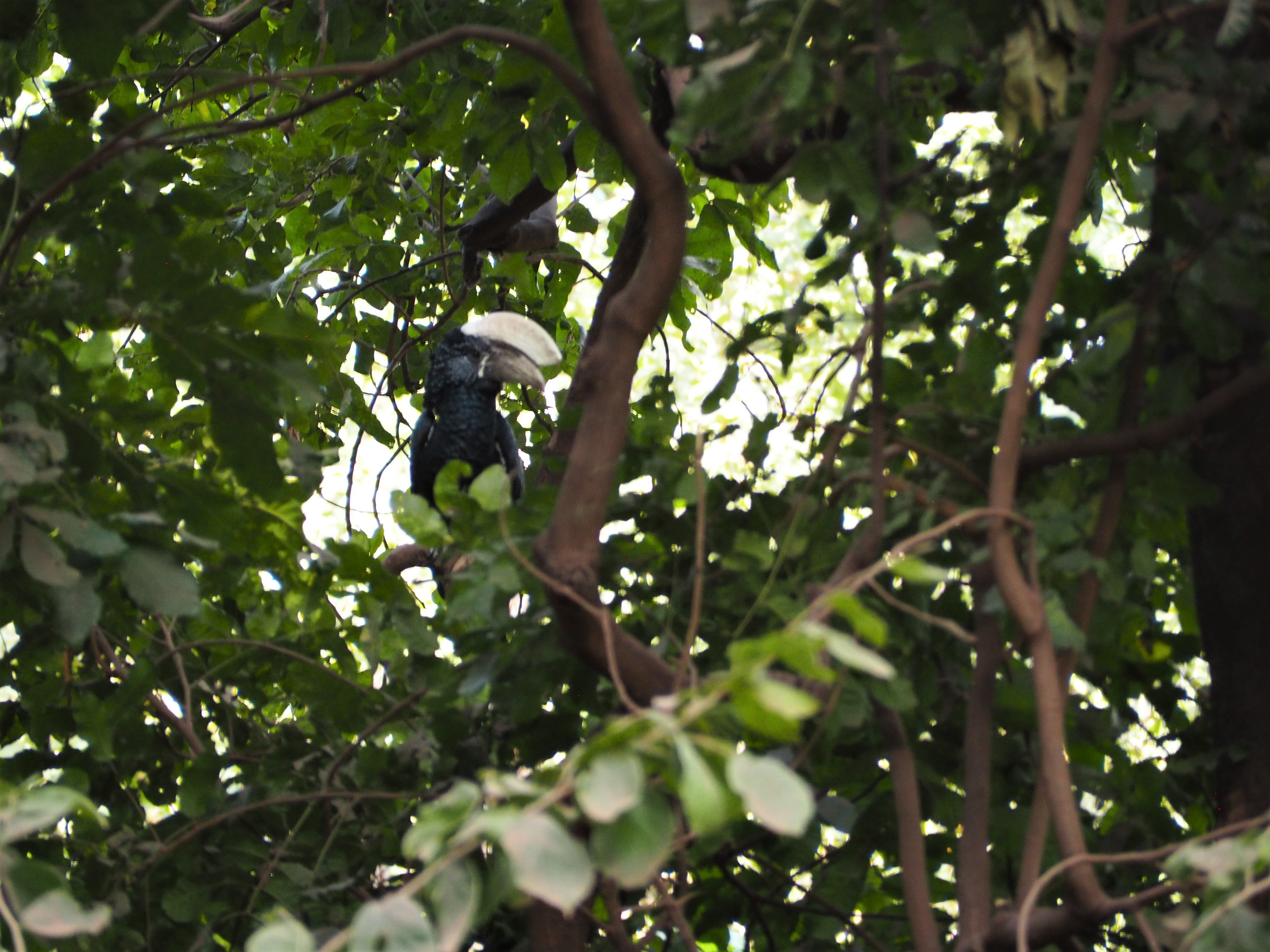
Silvery-cheeked hornbill 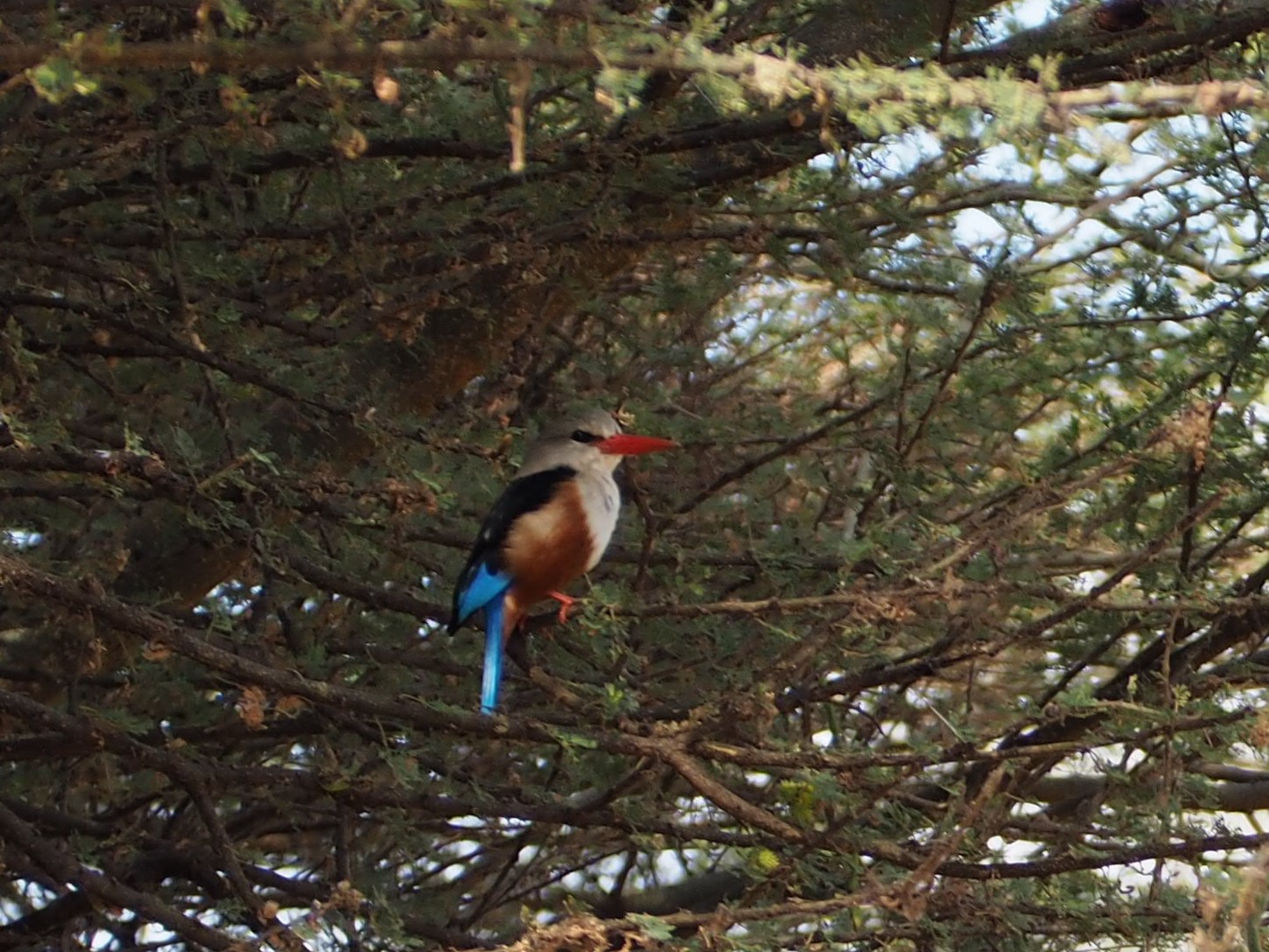
Grey-headed kingfisher 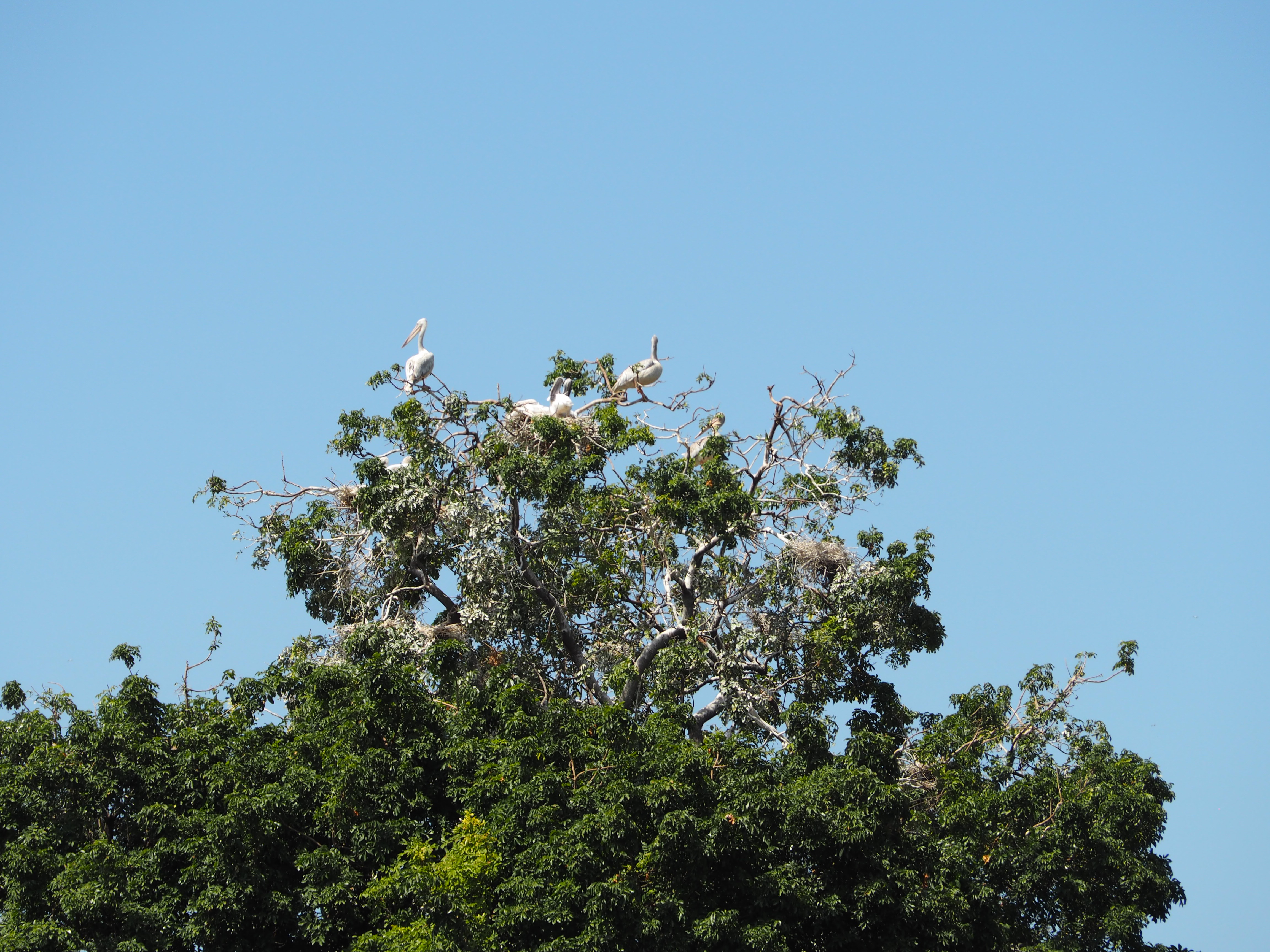
Great white pelicans
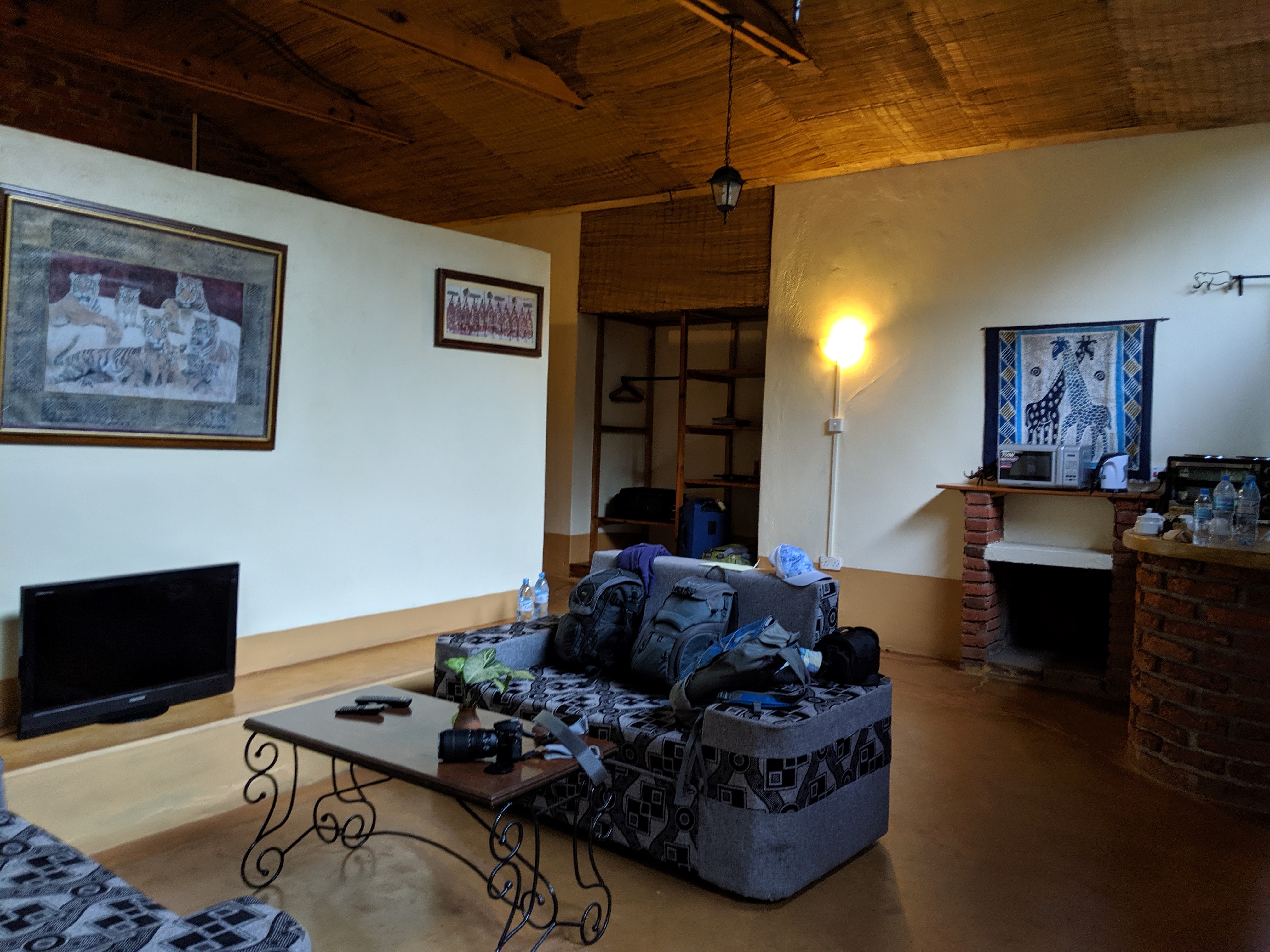
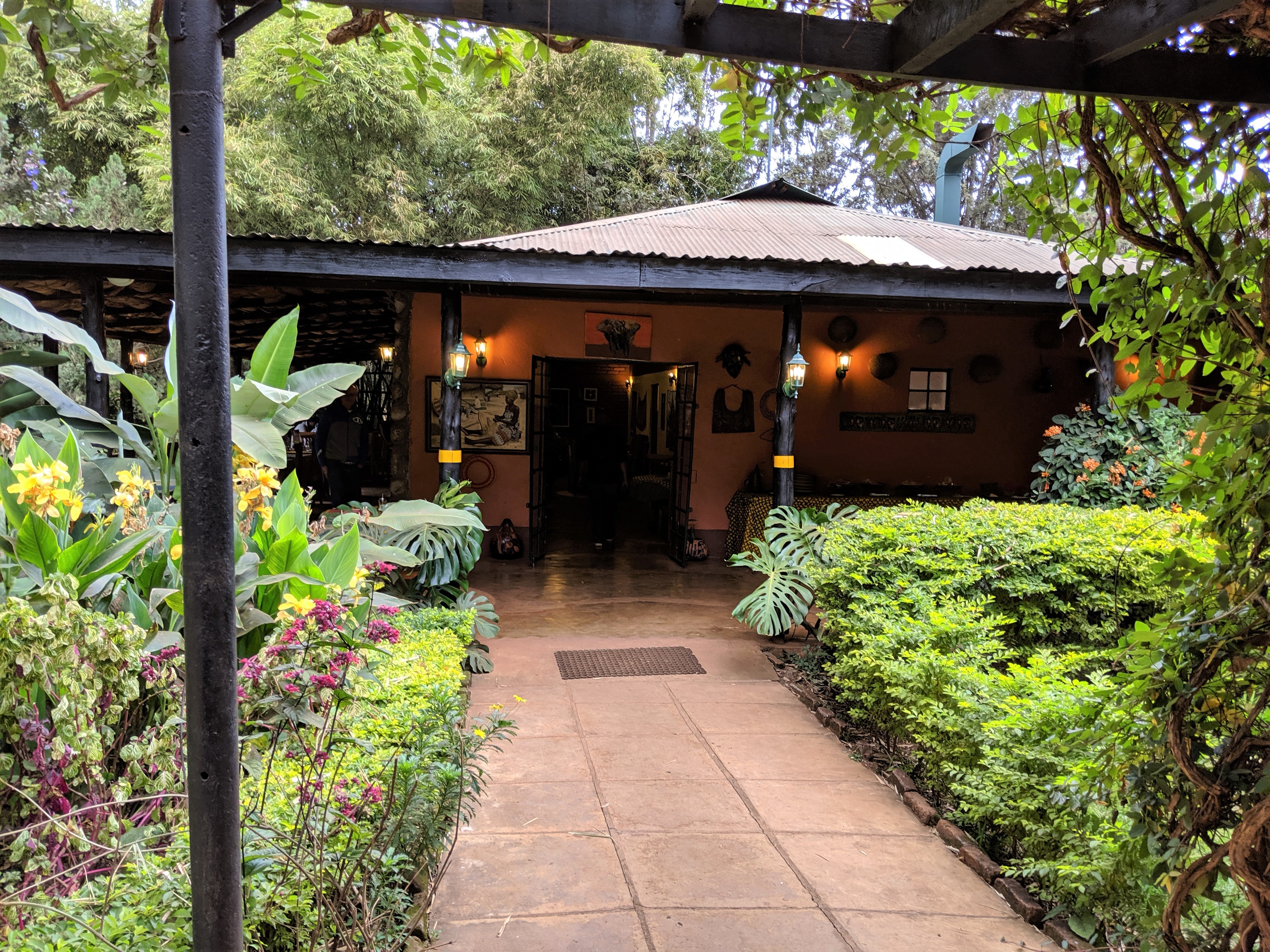
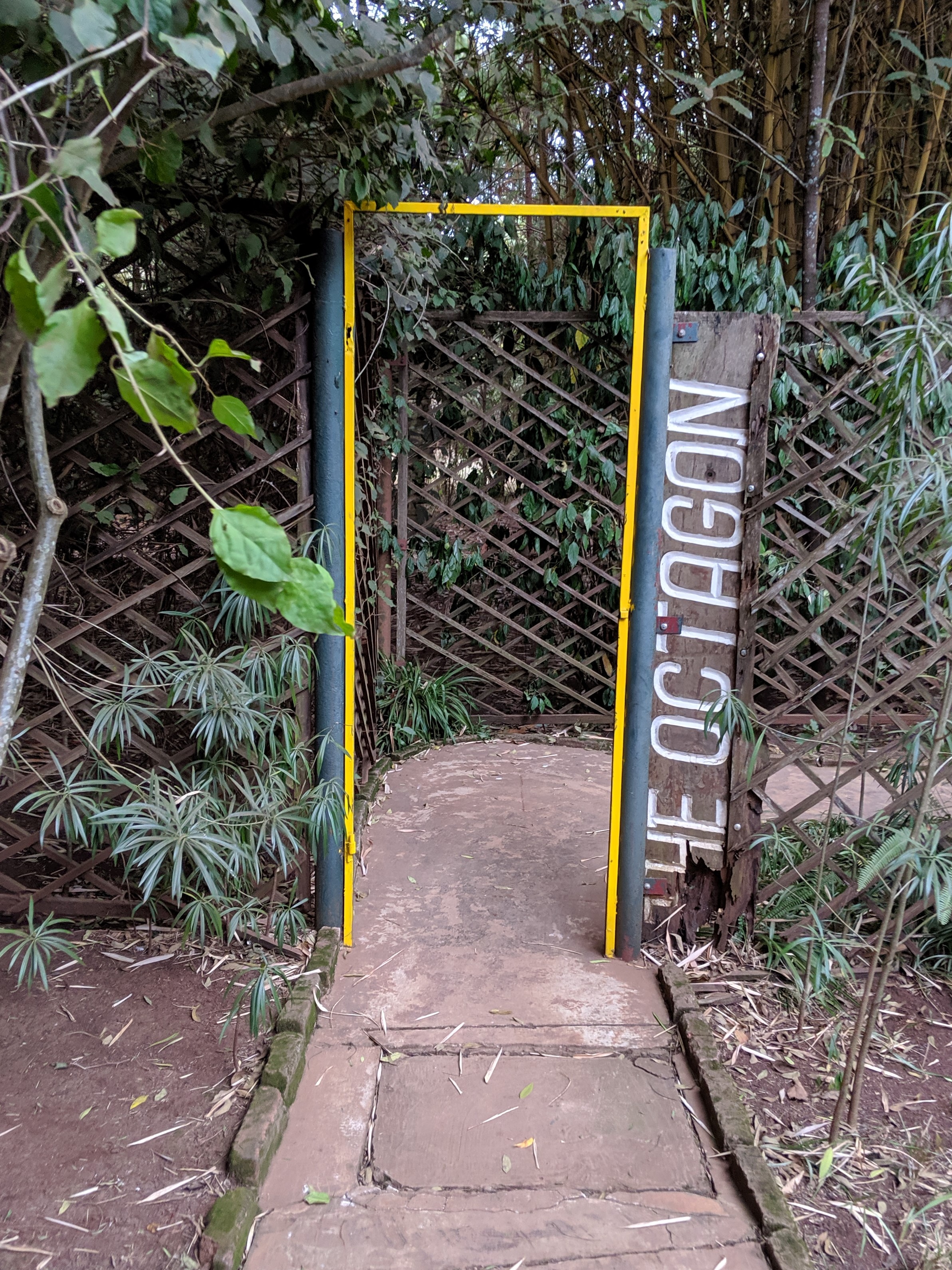
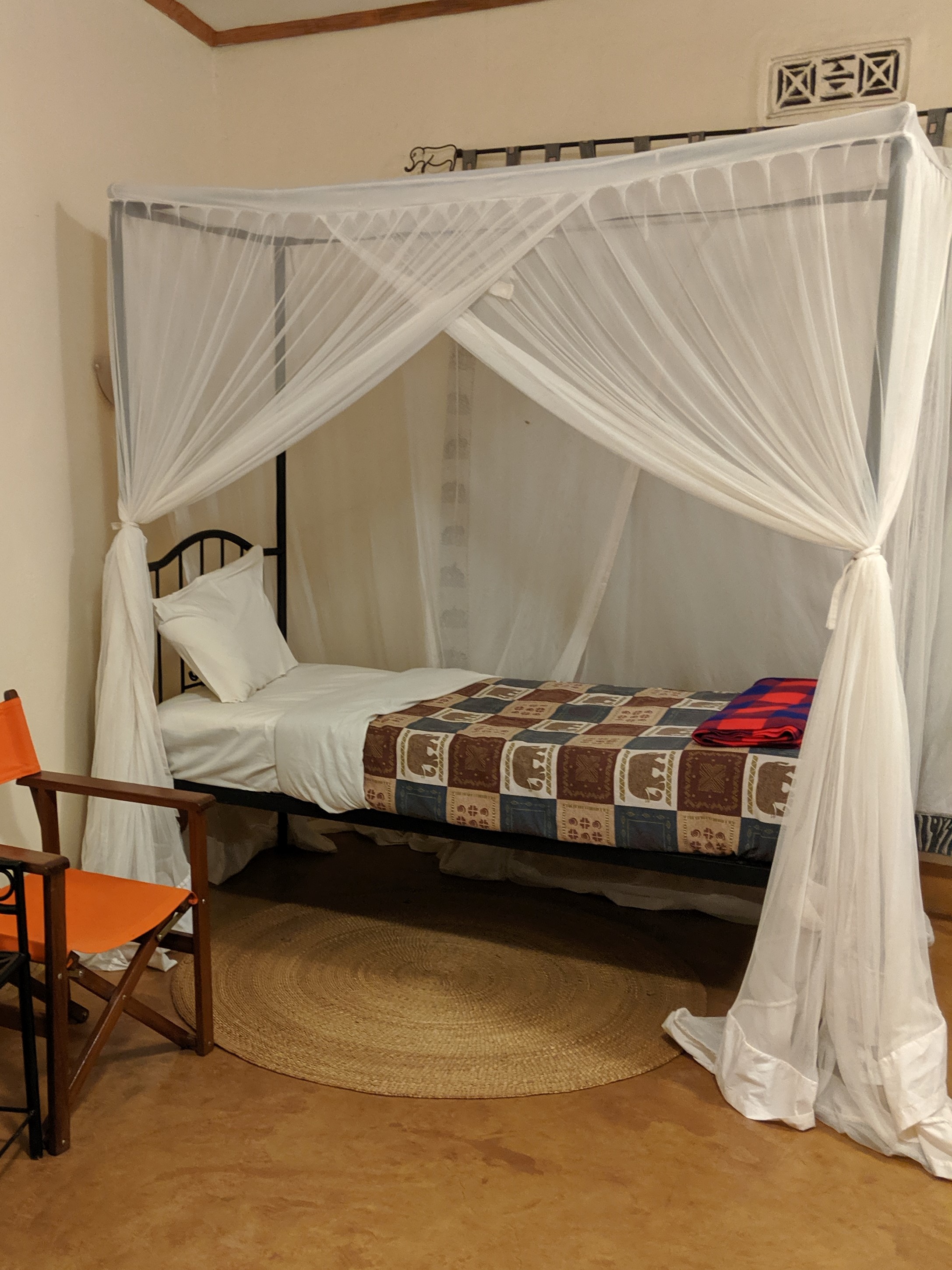
That evening we stayed at the Octagon Lodge in Karatu, the last major town before entering the Ngorongoro Conservation Area. The lodge had a feeling of staying in a secluded jungle – there were many trees and flowers on the property with tables to sit at among them. The accommodations were very nice. There was a restaurant and an Irish pub on premises as well.
The food here was great. Dinner started with pumpkin soup and bread rolls. It was followed by a buffet made up of a salad station (lettuce, beets, tomato cucumber mix, olives) and various entrees options – chicken, fish, green lentil curry, sautéed vegetables, fried spinach, pasta in tomato sauce, vegetable rice. Dessert was a coconut tart and a black forest cake, with coffee and tea. Breakfast the next morning was also served buffet style with toast and juices provided at the tables. The buffet included a spread of fresh fruit (pineapple, watermelon, banana), pancakes, bacon, eggs, sautéed mushrooms, and mixed vegetables. It was easy to please all diets here!
The next day started with driving through the Ngorongoro Conservation Area (post coming soon!).
 Kart Before the Horse